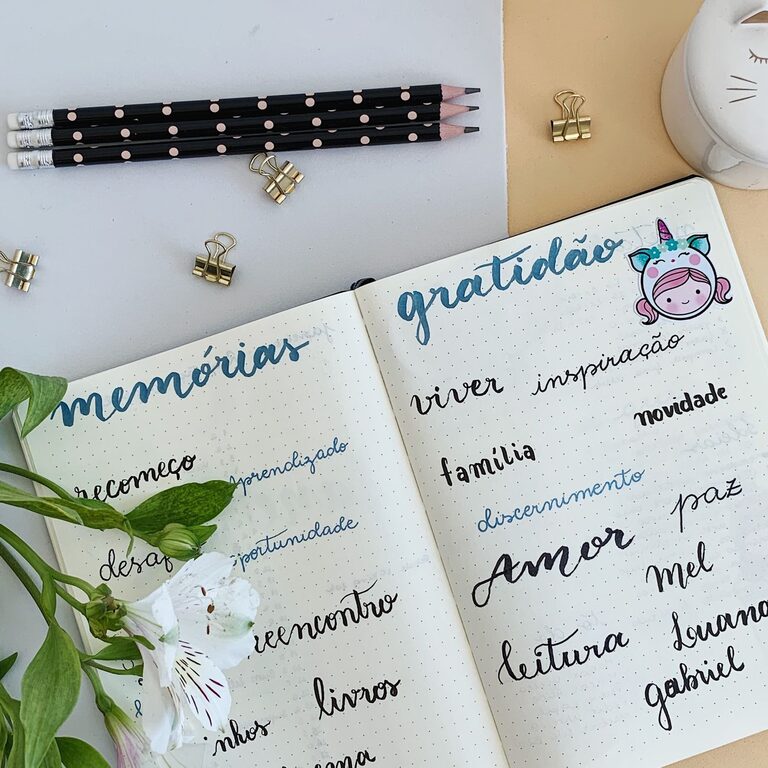

Journaling is more than just writing down your thoughts; it is a powerful tool to achieve clarity and sharpen your focus. Many people find that putting pen to paper helps organise their thoughts, process emotions, and set clear goals. Whether you are new to journaling or looking to deepen your practice, this guide will show you how to journal effectively for clarity and focus.
Why Journal for Clarity and Focus?
Life can become overwhelming with countless tasks, ideas, and worries competing for your attention. Journaling offers a quiet space where you can slow down and reflect. By capturing your thoughts, you:
– Clear mental clutter
– Identify priorities and distractions
– Understand your feelings better
– Set clear intentions
– Track progress over time
Regular journaling, even for a few minutes a day, has been shown to reduce stress and enhance mindfulness, which naturally improves your ability to concentrate.
Getting Started: What You Need
Starting a journaling practice is simple. All you need is:
– A notebook or journal that appeals to you
– A pen or pencil
– A quiet space where you won’t be disturbed
– A few minutes daily or several times a week
Choose a format you enjoy. Some prefer lined notebooks, others prefer blank pages for more creative freedom. You can try digital journals or apps, but many find the act of writing by hand more grounding.
Techniques for Journaling with Clarity and Focus
1. Morning Pages
Popularised by author Julia Cameron, morning pages involve writing three pages of longhand, stream-of-consciousness writing first thing in the morning. The aim is not to produce perfect prose but to clear your mind of distractions and worries.
How to do it:
– Set a timer if you like, but aim for about 15-20 minutes.
– Write whatever comes to mind without censoring yourself.
– Don’t worry about grammar or spelling.
– After completing them, you may choose to review or simply close the journal.
2. Focused Reflection Prompts
Sometimes, a prompt can help guide your thoughts and focus your journaling session.
Try questions like:
– What are my top three priorities today?
– What distractions am I facing, and how can I manage them?
– What thoughts or worries are clouding my mind?
– What progress have I made toward my goals this week?
– What will I accomplish tomorrow?
Answering such prompts helps identify what truly matters and reduces mental noise.
3. Gratitude Journaling for Mental Clarity
Gratitude journaling involves noting down things you are thankful for each day. This practice can shift your attention away from worries and help focus on positive aspects of life.
How to include it:
– Write three to five things you are grateful for each day.
– Be specific rather than vague. For example, “I’m grateful for the sunny walk I took” instead of just “I’m grateful for nature.”
4. To-Do Lists with Reflection
Writing a to-do list is common, but journaling goes a step further by reflecting on the list.
Try this:
– Write your tasks for the day or week.
– Reflect on why each task is important.
– Note potential obstacles and how you can overcome them.
– At the end of the day, review what you completed and how you felt.
5. Mind Dump Sessions
When the mind feels overloaded, a mind dump can help clear it out. Simply write down everything on your mind, no matter how big or small.
How to do it:
– Set a timer for 10 minutes.
– Write down every thought, worry, idea or task that comes to mind.
– Don’t organise or edit; just let it flow.
– After the session, review what you wrote and highlight any important points or actions.
Tips for Maintaining Your Journaling Practice
– Be Consistent: Try to journal at the same time daily, such as in the morning or before bed.
– Create a Ritual: Light a candle, make a cup of tea, or play soft music to create a calming ritual around journaling.
– Be Honest: Your journal is your private space. Write without judgement for authenticity and insight.
– Keep it Simple: Don’t worry about perfect sentences or neat handwriting. The goal is clarity, not artistry.
– Use It as a Tool, Not a Chore: If you miss a day, don’t stress. Return to journaling when you can.
How Journaling Improves Focus
By reflecting on your priorities and clearing mental clutter, journaling trains your brain to concentrate on what matters. It increases self-awareness, helping you notice when your attention is drifting. Journaling also enhances mindfulness, which studies show improves cognitive control and focus.
Final Thoughts
Journaling for clarity and focus is a simple yet powerful habit that anyone can adopt. It doesn’t require special skills or tools, just a willingness to explore your thoughts and feelings regularly. Remember, the key is to find a method that suits your lifestyle and preferences. Start small, be gentle with yourself, and watch as journaling helps you navigate your days with greater calm and concentration.
—
Give journaling a try today and see how it can bring more clarity and focus into your life. Your mind will thank you!
About the Author