
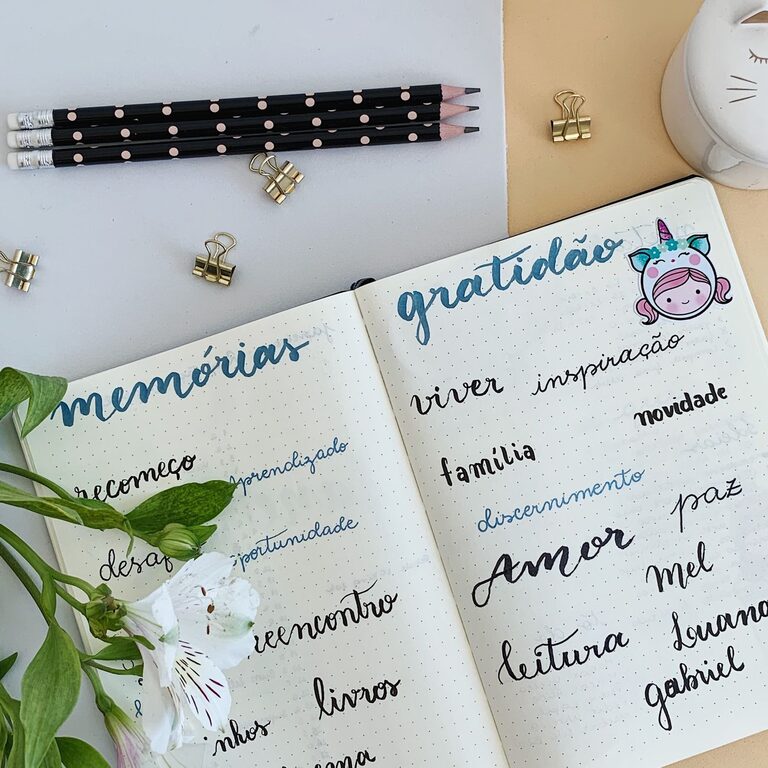
Starting a gratitude journal is a wonderful way to bring more positivity and mindfulness into your life. It’s a simple practice that encourages you to focus on the good things, big and small, that happen each day. Whether you’re new to journaling or looking to improve your wellbeing, a gratitude journal can be a valuable and rewarding habit. This guide will take you through everything you need to know to get started.
What Is a Gratitude Journal?
A gratitude journal is a dedicated notebook or digital space where you regularly write down things you are thankful for. It can be anything from a kind gesture from a friend to the beauty of a sunset. The aim is to shift your attention away from worries and distractions, helping you appreciate the positives in life.
Why Keep a Gratitude Journal?
There are many benefits to this simple practice, including:
– Improved mood: Writing down moments of gratitude can boost happiness and reduce feelings of stress.
– Better sleep: Reflecting on positive experiences before bed can calm your mind.
– Increased mindfulness: It helps you focus on the present and savour small joys.
– Stronger relationships: Recognising kindness and support from others can deepen your connections.
– Personal growth: Regular self-reflection builds resilience and a more optimistic outlook.
What You Need to Begin
Starting a gratitude journal doesn’t require much:
– A notebook or journal: Choose any notebook you like, or use a journaling app on your phone or computer.
– A pen or pencil: Pick something you enjoy writing with.
– A quiet moment: Find time each day to write without interruptions. This can be morning, evening, or whenever suits you best.
How to Start Your Gratitude Journal
1. Set a Routine
Consistency helps turn journaling into a habit. Decide on a specific time each day when you’ll write in your journal—perhaps first thing in the morning to set a positive tone, or before bed to reflect on the day.
2. Keep It Simple
Start by listing three to five things you are grateful for each day. These can be as simple as enjoying a hot cup of tea, a smile from a stranger, or a phone call with a friend. You don’t need to write long paragraphs unless you want to.
3. Be Specific
Instead of writing general statements like “I’m grateful for my family,” try to focus on more detailed moments like “I’m grateful for my sister’s encouragement during my presentation today.” Specificity helps deepen your appreciation.
4. Include Different Areas of Life
Try to vary what you write about. Include things related to your health, relationships, work, nature, personal achievements or daily comforts. This variety will keep your journal interesting and well-rounded.
5. Use Prompts or Questions
If you’re unsure what to write, prompts can help. Examples include:
– What made you smile today?
– What is something new you experienced recently?
– Who is someone you are thankful for, and why?
– What small thing brightened your day?
6. Reflect Occasionally
Every few weeks, read back over your entries. Noticing patterns of gratitude can reinforce positive feelings and remind you of good experiences you may have forgotten.
Tips for Success
– Don’t worry about perfection: Your journal is for your eyes only, so write honestly without judgement.
– Keep it accessible: Choose a journal or app you’ll enjoy using and can easily reach.
– Celebrate progress: Acknowledge when you’ve kept up your journal regularly.
– Combine with other habits: Pair journaling with meditation, a cup of tea, or a walk for a mindful routine.
Overcoming Common Challenges
Sometimes it might feel difficult to find things to be grateful for, especially during tough times. Here’s how to manage those moments:
– Start small: Gratitude doesn’t have to be profound. Even noticing a comfortable chair or a favourite song counts.
– Be patient: Developing a new habit takes time. It’s okay to miss days and start again.
– Focus on feelings: Instead of the event itself, write about how something made you feel.
– Use gratitude to balance negatives: Acknowledge challenges but also recognise any silver linings.
Final Thoughts
Starting a gratitude journal is a simple yet powerful way to nurture happiness and mindfulness. With just a few minutes each day, you can develop a positive habit that enhances your wellbeing and outlook on life. Remember, the key is consistency and sincerity—there is no right or wrong way to express gratitude. Give it a try and see how it brightens your days.
Happy journaling!
About the Author